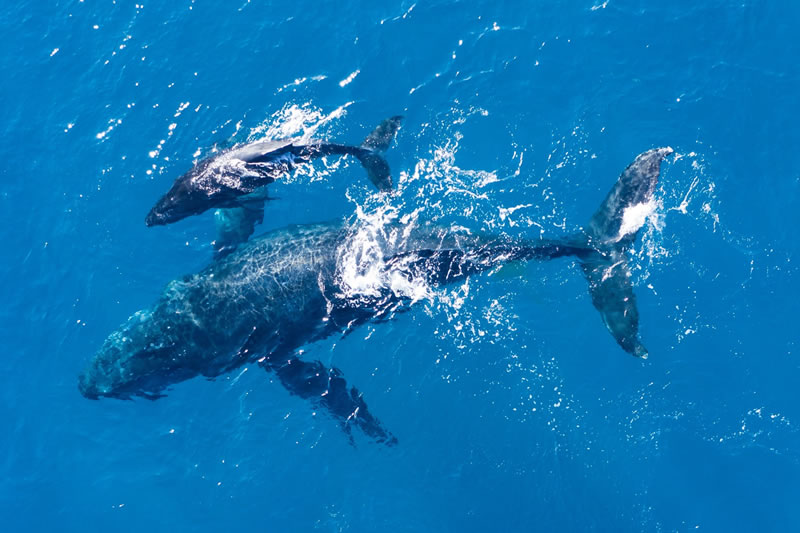
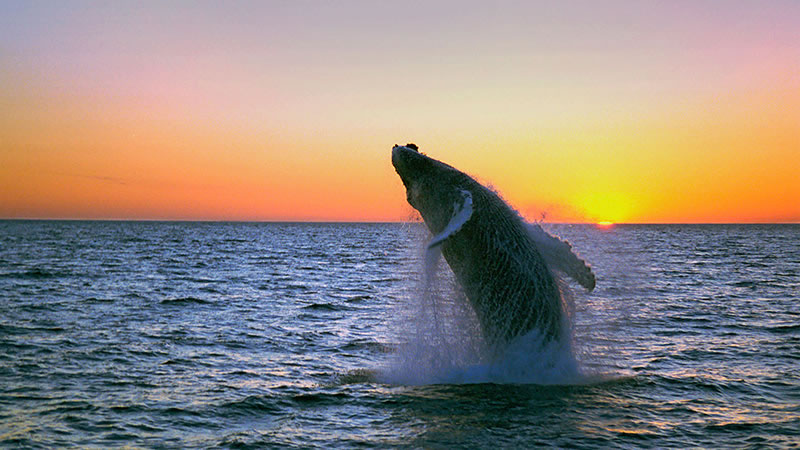
The blue whale (Balaenoptera musculus) is the largest animal ever known to have lived on Earth—even bigger than any dinosaur. Sri Lanka is one of the best places in the world to see these gentle giants in their natural habitat, especially along the southern coast near Mirissa and the eastern coast near Trincomalee.
Size & Appearance
Length: Up to 25–30 meters (82–98 feet)
Weight: Up to 150–180 tons
Heart: About the size of a small car
Tongue: Can weigh as much as an elephant
Color: Blue-gray body with lighter mottled patterns
Blow: A tall vertical spout reaching up to 9 meters (30 feet)
Because of their size, blue whales move slowly and gracefully, making them easier to observe during whale watching tours.
Diet & Feeding
Despite their enormous size, blue whales feed almost exclusively on tiny shrimp-like creatures called krill. During feeding season, a single blue whale can eat:
Up to 4 tons of krill a day
They use a method called lunge feeding, where they take in massive gulps of water and filter the krill through their baleen plates.
Behavior & Migration
Blue whales are highly migratory. They travel long distances between feeding grounds in colder waters and breeding grounds in warmer regions.
Sri Lanka lies close to one of their major migration routes, making it a world hotspot for sightings. Some blue whales are also believed to be resident whales, staying near Sri Lanka year-round due to the rich feeding grounds.
They are usually seen:
Alone
In pairs
Or occasionally in small groups
Blue whales are calm, gentle, and not aggressive—ideal for responsible whale watching experiences.
Lifespan & Reproduction
Average lifespan: 70–90 years (some live over 100 years)
Pregnancy period: About 11–12 months
Calves: When born, calves are already around 6–8 meters long and weigh about 2–3 tons
Calves drink around 200 liters of milk per day, growing rapidly in their first year.
Vocalizations & Communication
Blue whales are among the loudest animals on Earth. Their low-frequency calls can:
Travel hundreds of kilometers underwater
Be used to communicate, find mates, and navigate the ocean
Some of these sounds are so deep they are below human hearing range.
Blue Whales in Sri Lanka
Sri Lanka is one of the few places where blue whales can be seen close to the shore. Why Sri Lanka is special:
Deep ocean waters are very near the coast
Nutrient-rich currents attract krill
Seasonal migration routes pass near Mirissa and Trincomalee
This makes Sri Lanka one of the best destinations globally for observing blue whales in the wild.
Conservation Status
Blue whales are listed as Endangered due to:
Historical whaling
Ship strikes
Noise pollution
Changing ocean conditions
Responsible whale watching helps raise awareness and supports protection efforts.